
"inexpensive brewing"
500 article(s) found

Introduction to Tarasu producing area of Costa Rican boutique coffee
The newly developed villa sarchi planting, breeding and quality inspection research institutions, in addition, it also has 10 hectares of experimental plots, planting a number of excellent varieties. Coffee is Costa Rica's main agricultural product, with an annual output of more than 2 million bags (60 kilograms) and foreign exchange earnings of 250 million US dollars, second only to pineapples and bananas. All the coffee trees planted in Costa Rica are Arabica coffee trees.

Introduction to the producing areas of the characteristics of the grindness treatment method for the flavor description of Costa Rican Tarazhu Coffee
All the coffee trees planted in Costa Rica are Arabica coffee trees. through improvement, the quality of coffee beans is better and more stable. in order to facilitate picking, coffee trees are kept at a height of about 2 meters through continuous pruning. The coffee that people eat is the taste of the seeds in the fruit that are brewed in water. After picking raw coffee beans, the peel, pulp, seed film and sun exposure must be removed.

First-hand experience of 7-ELEVEN (nitrogen) cold-extracted coffee is it true that cold-extracted coffee cannot be heated?
Professional coffee knowledge exchange more coffee bean information please follow the coffee workshop (Wechat official account cafe_style) cold extract, ice brew, ice drop, Japanese iced coffee, do you understand? Today I went to a redecorated 7-ELEVEN store name: 7-ELEVEN Changye store address: 23 Changchun Road, Zhongmu District, Taoyuan City, this store and other 7-ELEVEN in Taiwan.

What kind of milk is added to the coffee? What milk is in the coffee?
The word coffee comes from the Greek word Kaweh, which means strength and enthusiasm. Milk is rich in nutrition, easy to digest and absorb, good quality and cheap, convenient to eat, is the closest to the perfect food, known as white blood. The perfect combination of these two kinds of food creates the delicious food in the world. The first person to drink coffee mixed with milk is said to be the Dutch governor in Batavia, Indonesia, in 1660.

An introduction to the production area of Coffee Grinding degree and Flavor description in Saint Roman Manor, Costa Rica with ideal acidity
All the coffee trees planted in Costa Rica are Arabica coffee trees. through improvement, the quality of coffee beans is better and more stable. in order to facilitate picking, coffee trees are kept at a height of about 2 meters through continuous pruning. The coffee that people eat is the taste of the seeds in the fruit that are brewed in water. After picking raw coffee beans, the peel, pulp, seed film and sun exposure must be removed.

Introduction to the characteristics of the manor producing area of Costa Rican boutique coffee beans with unique and strong flavor
All the coffee trees planted in Costa Rica are Arabica coffee trees. through improvement, the quality of coffee beans is better and more stable. in order to facilitate picking, coffee trees are kept at a height of about 2 meters through continuous pruning. The coffee that people eat is the taste of the seeds in the fruit that are brewed in water. After picking raw coffee beans, the peel, pulp, seed film and sun exposure must be removed.

How do we process coffee? The process of brewing coffee
Coffee processing generally requires coffee grinders, coffee cookers, coffee ovens, timers, coffee spoons, sealed coffee cans, cream guns, coffee cups, milk cups and sugar cans, stainless steel buckets and other utensils. Coffee grinder, electric bean grinder, suitable for grinding a large number of beans, and can be adjusted at will, fast and convenient, suitable for business use; propeller electric bean grinder. A small amount of ground beans, and

How do Costa Rican Tarazu coffee beans taste?
The research center, located about 30 kilometers northeast of San Jose, the capital of Costa Rica, belongs to the Costa Rican Coffee Association and is the research institution for planting, breeding and quality inspection of Brazilian coffee fruits in Costa rica. in addition, it also has 10 hectares of experimental plots, planting a number of excellent varieties. Coffee is the main agricultural product in Costa Rica, with an annual output of more than 2 million bags

What are the differences in the way you drink coffee with different treatments? Effect of Coffee treatment on brewing
Professional coffee knowledge exchange more coffee bean information Please follow the coffee workshop (Wechat official account cafe_style) Coffee raw beans, which are not directly roasted and drunk after being picked from trees, need to go through many steps to have a good flavor. It is often thought that the flavor of coffee depends on the variety, planting environment and mode of production, but it is not.

Introduction of Huofenghuang Manor in the Central Coffee producing area of Costa Rica
All the coffee trees planted in Costa Rica are Arabica coffee trees. through improvement, the quality of coffee beans is better and more stable. in order to facilitate picking, coffee trees are kept at a height of about 2 meters through continuous pruning. The coffee that people eat is the taste of the seeds in the fruit that are brewed in water. After picking raw coffee beans, the peel, pulp, seed film and sun exposure must be removed.

Introduction to the flavor and taste characteristics of the coffee producing area of Saint Roman, Costa Rica, which has a unique and strong flavor.
All the coffee trees planted in Costa Rica are Arabica coffee trees. through improvement, the quality of coffee beans is better and more stable. in order to facilitate picking, coffee trees are kept at a height of about 2 meters through continuous pruning. The coffee that people eat is the taste of the seeds in the fruit that are brewed in water. After picking raw coffee beans, the peel, pulp, seed film and sun exposure must be removed.

Description of the characteristics and flavor of coffee beans in Latin America
Flavor description of coffee beans in Latin America one of the most famous is Santos Coffee, which is mellow and neutral, and it can be boiled directly or mixed with other kinds of coffee beans into comprehensive coffee, which is also a good choice. Other kinds of Brazilian coffee, such as Rio and Parana, can be produced in large quantities because they do not require too much care, although the taste

Household electric bean grinder recommended electric bean grinder which brand is good for entry-level bean grinder
Beginners in coffee can easily buy cheap bean choppers, bean grinders, or even hand bean grinders. Never think, "I'm a beginner, just use a cheap hand grinder." an easy hand grinder is more expensive than many bad electric bean grinders, and you really want to give up learning to make coffee when it comes to a difficult hand grinder. Although a good bean grinder, the price will

Introduction to Fire Phoenix Manor in Costa Rica Coffee Manor
All the coffee trees planted in Costa Rica are Arabica coffee trees. through improvement, the quality of coffee beans is better and more stable. in order to facilitate picking, coffee trees are kept at a height of about 2 meters through continuous pruning. The coffee that people eat is the taste of the seeds in the fruit that are brewed in water. After picking raw coffee beans, the peel, pulp, seed film and sun exposure must be removed.

Costa Rican coffee with full grains and ideal acidity
The research center, about 30 kilometers northeast of San Jose, Costa Rica's capital, belongs to the Costa Rica Coffee Association. It is a research institution for the cultivation, breeding and quality inspection of villa sarchi newly developed by Costa Rica's national coffee species. In addition, it also has 10 hectares of experimental fields planted with many excellent varieties. Coffee is Costa Rica's main agricultural product, with an annual output of more than 2 million bags (60
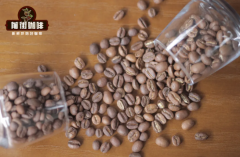
Hand-brewed coffee teaching-how does Ethiopia Yega Xuefei come out to taste good.
When it comes to boutique coffee beans, people always think of Yega Xuefei for the first time. Yejasuefi coffee beans for many friends, is the first step into the world of boutique coffee, but also because Yejasuefi coffee beans, for the first time feel that coffee is not only bitter. The Yega Xuefei producing area is located in Ethiopia and is originally a Sidamo producing area.

Brazilian coffee boutique coffee raw beans the latest introduction of coffee beans unique flavor full of taste
Anyone who has studied it knows that Brazil is vividly compared to the giant and monarch of the coffee world. There are about 3.97 billion coffee trees there, and small farmers now grow 75% of Brazil's total coffee production. The number of coffee producers in Brazil is twice or even three times that of Colombia, the second largest coffee producer in the world. This is the largest coffee producer.

The difference between a mocha pot and a siphon pot how to use a siphon coffee maker with alcohol lamp heat source
Professional coffee knowledge exchange more coffee bean information please follow the coffee workshop (Wechat official account cafe_style) timeless siphon pot coffee explanation | siphon pot coffee principle and brewing suggestion for 10 years, has been resistant to other ways of cooking coffee, think it is not as pure and full-bodied as the mocha pot. Among several other options, feel siphon (Sy

The characteristics of Brazilian coffee beans what is the roasting degree of Brazilian coffee beans? Brazilian coffee bean treatment
Professional coffee knowledge exchange more coffee bean information please follow the coffee workshop (Wechat official account cafe_style) Brazilian coffee characteristics of Brazilian coffee generally refers to the coffee produced in Brazil. There is a wide variety of Brazilian coffee, the vast majority of which are unwashed and sun-dried, classified according to the name of the state of origin and the port of transport. Brazil has 27 states and 17 states produce coffee, but its

Mild acid Costa Rica San Romano Estate Coffee Variety Origin Flavor Description Features
Coffee was introduced to Costa Rica from Cuba in 1729, and today its coffee industry is one of the most well-organized in the world, producing up to 1700 kilograms per hectare. Costa Rica has a population of 3.5 million, but coffee trees number 400 million, and coffee exports account for 25% of the country's total exports. The volcanic soils of Costa Rica are very fertile and well drained, especially in the central part.